

The online slot market is full of iconic titles, all fighting for a player’s time and money. Any new game demands a clear identity or a smart twist on a familiar idea to leave a lasting mark. This is how we encounter Book of Tut. It steps into the fray by revisiting the hugely successful “Book of” blueprint, this time dressed in Ancient Egyptian style. To judge its place, we need to examine how it compares against other Egyptian slots, the heavyweights of its own genre, and what players look for from a modern game. Let’s dissect what it provides, from its look and sound to its math and feel, to understand where it wins and where it faces its toughest fights.
Defining the “Book of” Category and Its Titans
You can’t place Book of Tut unless you understand the guidelines of the club it seeks to be part of. The “Book of” slot formula, brought to prominence by titles such as Book of Ra, observes a particular pattern. The highlight is a free spins phase where one symbol is chosen at random to grow, filling whole reels for large payouts. This uncomplicated and high-variance recipe has kept players engaged for a long time. A number of iconic games rule this space. They’ve earned player loyalty and name recognition over a long period, establishing a lofty standard that every new arrival is measured against.
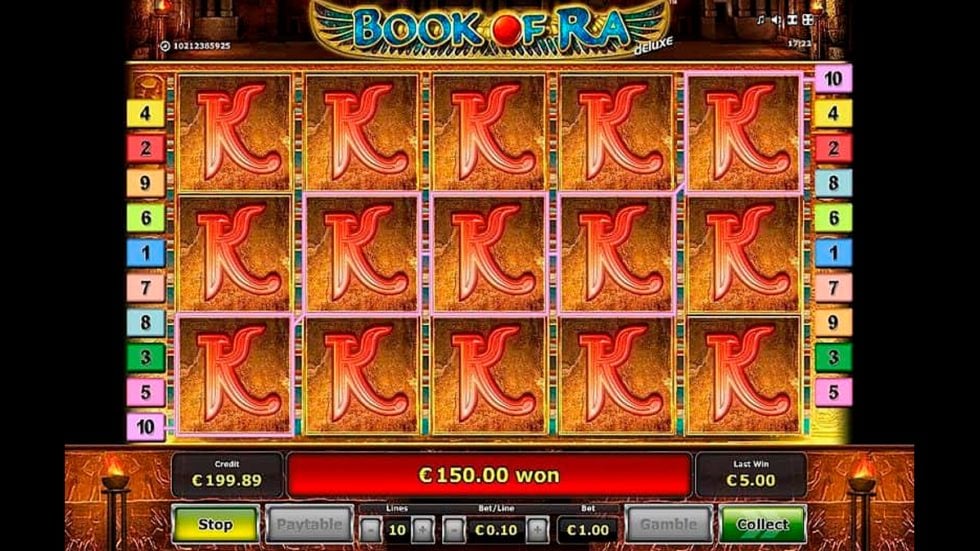
Book of Ra: The Unbeatable Legacy
You must consider Book of Ra. Novomatic’s title basically authored the blueprint. Its appeal comes from a long history, moving from land-based slots to online casinos. It isn’t about flashy graphics. Its influence is nostalgic. For a huge number of players, it stands as the original high-volatility experience they recognize and have faith in. Attempting to beat Book of Ra on its own merits of sentiment is a futile effort. Newcomers like Book of Tut must find other ways to compete. They must offer superior graphics, seamless performance, or a more captivating theme. The aim isn’t to replace the classic, but to attract players who seek a polished, updated version of that thrill.
Book of Dead: The Current Benchmark
If Book of Ra is the original, Book of Dead from Play’n GO is the current king. It adopted the formula and provided it with smoother visuals, a charismatic explorer in Rich Wilde, and fluid gameplay. You’ll almost always find it in the leading charts at online casinos. Book of Dead establishes the current standard for how these games should play and present themselves. For a slot like Book of Tut, entering the market means stepping into this shadow of a titan. To get noticed, it must offer something that Book of Dead lacks. Maybe a fresh perspective on Egyptian visuals, a subtle change to the bonus round, or a math model that appeals to players looking for a new twist on a familiar style.
Book of Tut’s Direct Thematic Competitors
The rivalry becomes much more precise. The Egyptian slot genre is arguably the most crowded in the entire industry. So Book of Tut must stand out in two ways: first as a solid “Book of” game, and second as a engaging Egyptian adventure. It’s up against all sorts from other “Book of” editions like Book of Oz, to various styles like the cluster mechanic in Legacy of Dead or the sprawling reels of a Megaways game like Book of Kingdoms. The task is to catch the attention of someone searching for an Egyptian slot and make them believe that this one deserves a try over the numerous others already present on their phone.
In this fight, visuals and audio are critical. Plenty of older Egyptian slots use worn-out symbols and cyclic music. A new game has to use modern tools to create a world you want to explore. Book of Tut puts considerable effort here. Its symbols display detailed artifacts and gods, while the music creates a mood of mystery instead of repeating a catchy tune. This emphasis on atmosphere is a smart competitive move. When a player sees ten Egyptian slots, the one featuring the most inviting presentation usually gets the first click. That’s the chance to draw them in with the game mechanics.
The Feature Innovation Arms Race
Numerous modern slots pile on bonus features to differentiate themselves. You find ante-bets to access bonuses, or progressive jackpots, or unique wild symbols. Book of Tut follows a different path. It sticks closely to the classic “Book of” idea, focusing on refining the basics instead of complicating things. Its advantage stems from refinement and quality. This turns it into a premium interpretation on the classic, aimed at players who may find other games too cluttered. It caters to those who want a simple, high-variance session presented with excellent production.
Examining Book of Tut’s Core Strategic Advantages
So where does Book of Tut actually win? Its strategy isn’t about being the most innovative. It’s about being a polished, trustworthy version of what players already love. It concentrates on the strengths of the genre and refines the rough edges found in older titles. This builds a proposition based on craftsmanship, consistency, and a respectful upgrade of a proven format.
- Visual and Audio Fidelity: The game’s strongest advantage is how it looks and sounds. Next to early genre entries, its symbols are crisp, its animations smooth, and its background art creates a real sense of exploration. The soundscape is immersive and subtle, a major plus for anyone playing longer sessions who doesn’t want irritating audio.
- Mathematical Model Transparency: Volatility is a key decision for players. Book of Tut is openly a high-volatility game. This transparency lets experienced players know exactly what they’re getting into. It contends by delivering the raw, high-stakes adrenaline the genre is famous for, without diluting it.
- User Experience and Performance: Built on modern tech, the game runs efficiently on any device. It loads fast and the controls feel responsive. This technical refinement is a quiet but important advantage over older games that can feel clunky or clumsy, especially on mobile.
- Brand Identity within the Theme: By centering on Tutankhamun, it adopts a more historical angle than slots filled with generic gods like Anubis or Ra. This specific focus can draw in players fascinated by the real archaeology and iconography of Ancient Egypt.
Market Hurdles and Areas of Tension
Even with these qualities, Book of Tut encounters real obstacles. The largest is simple habit. Players are inclined to cling to what they know, whether it is the contemporary effectiveness of Book of Dead or the nostalgia of Book of Ra. Persuading them to switch demands a powerful reason to disrupt routine. Additionally there’s the practical problem of visibility. Casino game menus are jammed. Getting a premium position on the lobby page is a battle frequently won by games with greater marketing arrangements or longer relationships with the casino.
Risk as a Two-Sided Sword
The game’s high-variance nature is a marketing point, but also a restriction book-of.eu. Right now, many players are drawn to games with “buy the bonus” features or mechanics that deliver tinier, more common wins. Book of Tut disregards these trends, putting itself solidly in the traditionalist camp. This defines its player base well, but that group might not be increasing as rapidly as other segments. Its triumph depends on appealing to that specific group of volatility-seekers more successfully than its close opponents.
The Innovation View Gap
There’s a risk some players will simply view “another Egyptian book slot.” Overcoming that first perception means showing off its excellence distinctions. Marketing must underscore the care in its graphics, the balance in its math, and the depth of its sonic design. The message ought not to be about reinventing the concept, but about crafting the optimal achievable version of it. That’s a solid stance, but it requires unambiguous wording to be recognized over the sector noise.

Strategic Positioning and Primary Users
Book of Tut’s standing is as a “premium classic.” It isn’t trying to beat the most complex slots for attributes, or the originals for sentiment. It targets three types of players: the seasoned “Book of” fan who seeks a visual refresh, the newcomer seeking a quality first experience of high-volatility play, and the Egyptian theme devotee who desires the newest, best-looking entry. This strategy lets it compete without a head-on battle with the market leaders.
Think of it as the quality alternative. When a player desires a “Book of” game but fancies a change from Book of Dead, Book of Tut strives to be the obvious choice. It also works for players who enjoy the graphics of new slots but miss the straightforward, volatile punch of the old classics. By merging these elements, it carves out a solid niche. Triumph for Book of Tut won’t mean knocking the kings off their thrones. It will mean consistent play, good player engagement, and becoming a trusted, go-to option in a casino’s game library.
The Upcoming Competitive Trajectory
The slot landscape doesn’t remain idle. New trends like skill-based rewards, social play, or story modes will keep influencing what players want. For Book of Tut, the long-term challenge is remaining pertinent as tastes change. Its foundation of high quality gives it a good start. To stay competitive, future updates might introduce sequel versions or add clever variations, like a “Hold and Spin” side feature or cascading reels in the bonus round, all while keeping its core identity intact.
Its lasting position will be determined by the numbers behind the scenes: how often players return, how long their sessions last, and how well it converts bets for operators. These metrics decide whether a game gets promoted or gets buried in the back of the menu. By offering a mathematically sound, engaging, and reliable experience, Book of Tut establishes the trust it needs for long-term visibility. In the end, its spot in the competitive landscape is stable as a high-quality, focused entry in a genre that never seems to lose popularity. It wins not by being the only choice, but by being an excellent one for players who recognize the details.